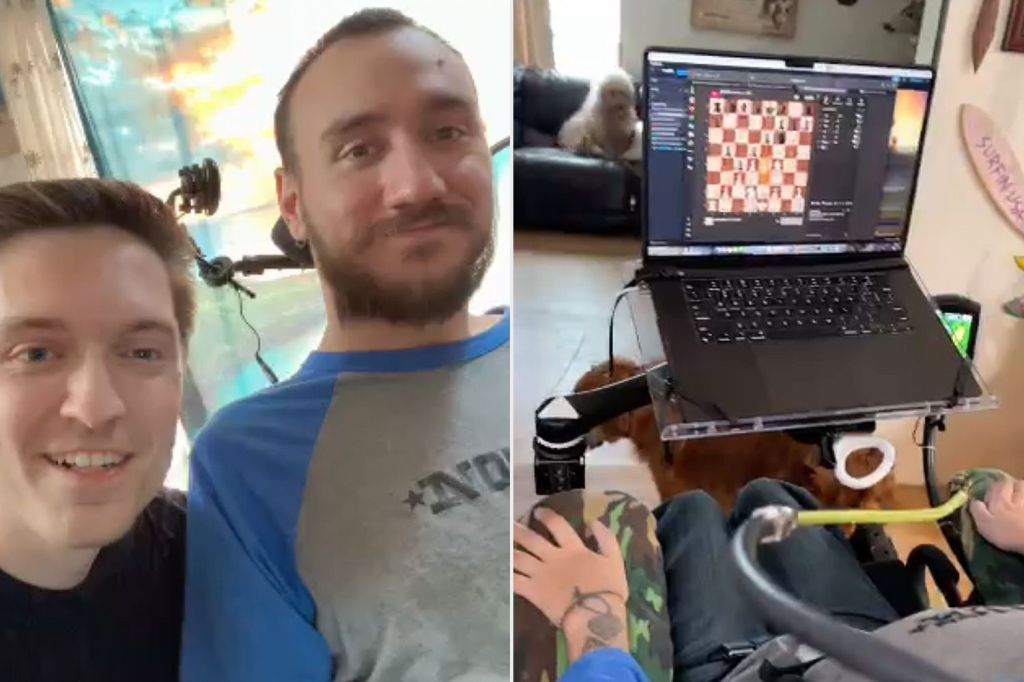
Arbaugh, paralyzed since a diving accident in 2016, became Neuralink’s first human patient in January as part of the PRIME Study, or Precise Robotically Implanted Brain-Computer Interface. While the company has made strides with Arbaugh, they encountered their first setback. Elon Musk’s brain implant venture, Neuralink, reported an issue following the inaugural implantation.
Though lacking detailed information, the company disclosed that the implant malfunctioned, affecting its speed and efficacy.
Neuralink revealed that the patient, Noland Arbaugh, had fewer functioning electrodes due to some threads retracting from his brain. Initially considering halting the trial, the company determined that the problem posed no threat to Arbaugh, as reported by the Wall Street Journal, which first brought attention to the issue.
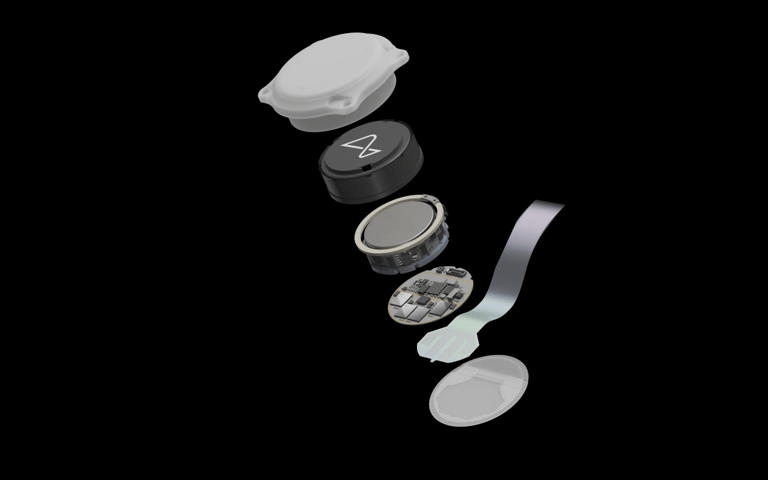
Previously, Mr. Arbaugh relied on a tablet computer and stylus held in his mouth, which hindered his ability to speak and risked causing sores. Following a trial with Neuralink’s device, he expressed surprise at beating his friends in computer games, a feat he deemed previously impossible. On March 20, the company showcased a live-streamed demonstration of Mr. Arbaugh playing online chess, where he controlled the computer cursor through imagination.
Neuralink experts have explored the possibility that the malfunction may be attributed to pneumocephalus, a condition involving trapped air in the brain, potentially a result of the surgical procedure used to implant the device into Mr. Arbaugh’s skull.




 2099AI
Leave a comment